

Did you know a faulty backflow preventer can let contaminated water flow back into your clean water lines?
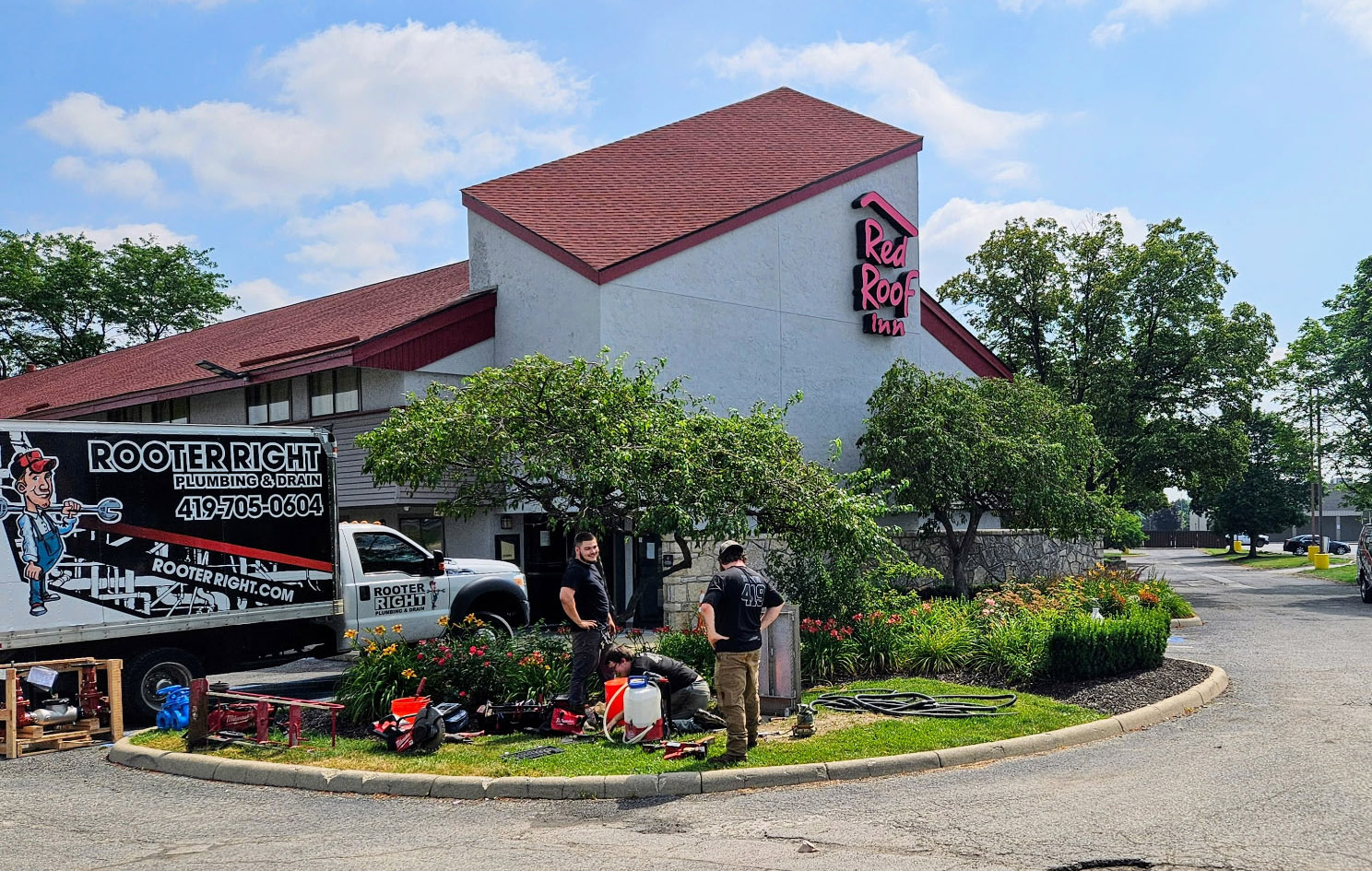
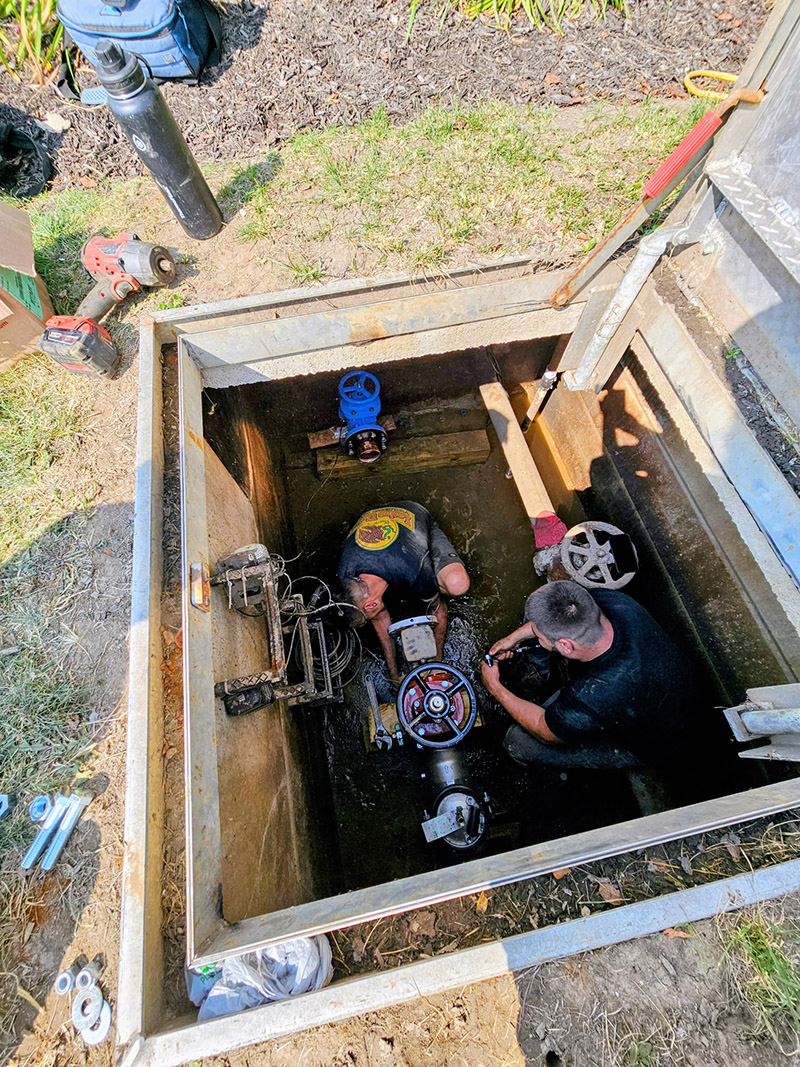
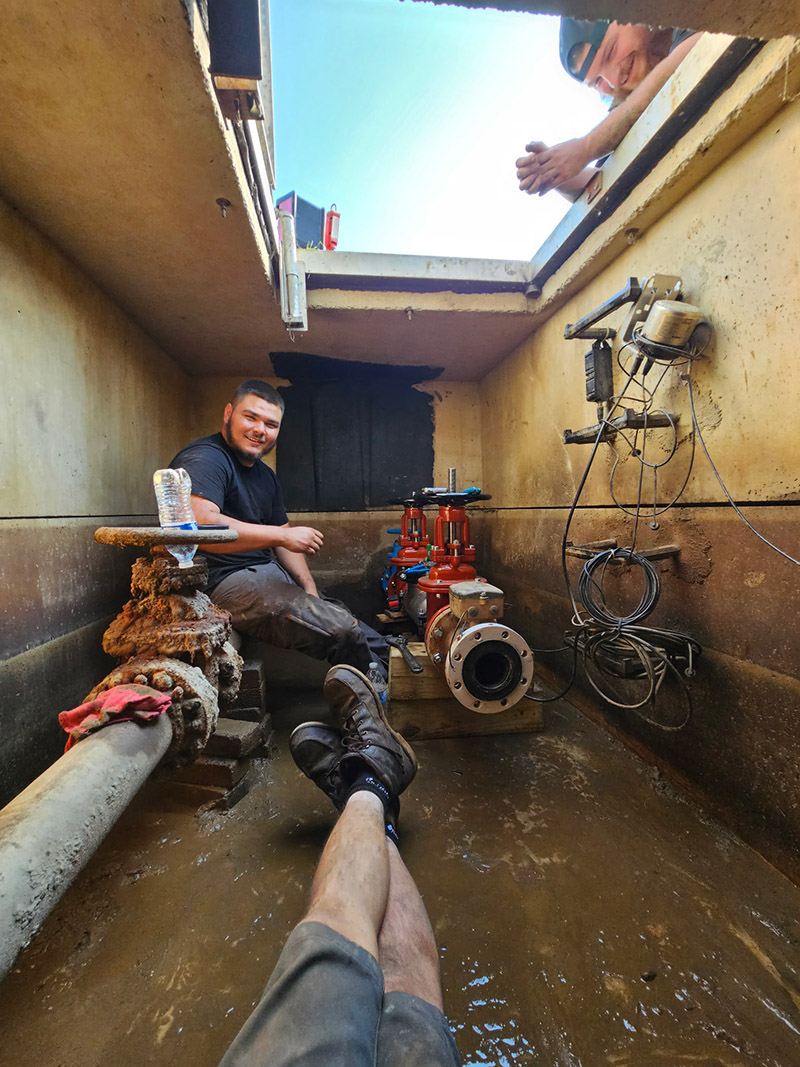
Rooter Right offers certified backflow installation, testing, and repair to keep your water supply safe and compliant.
Whether you’re a homeowner, business owner, or property manager in the Northwest Ohio and Southeast Michigan area, our licensed technicians make sure your system meets all local regulations and stays in Top working condition. Rooter Right offers the following:
✅ Certified Backflow Testing
✅ Installation & Repairs
✅ Serving Toledo, Perrysburg, Maumee & Southeast Michigan
Understanding Backflow Preventers
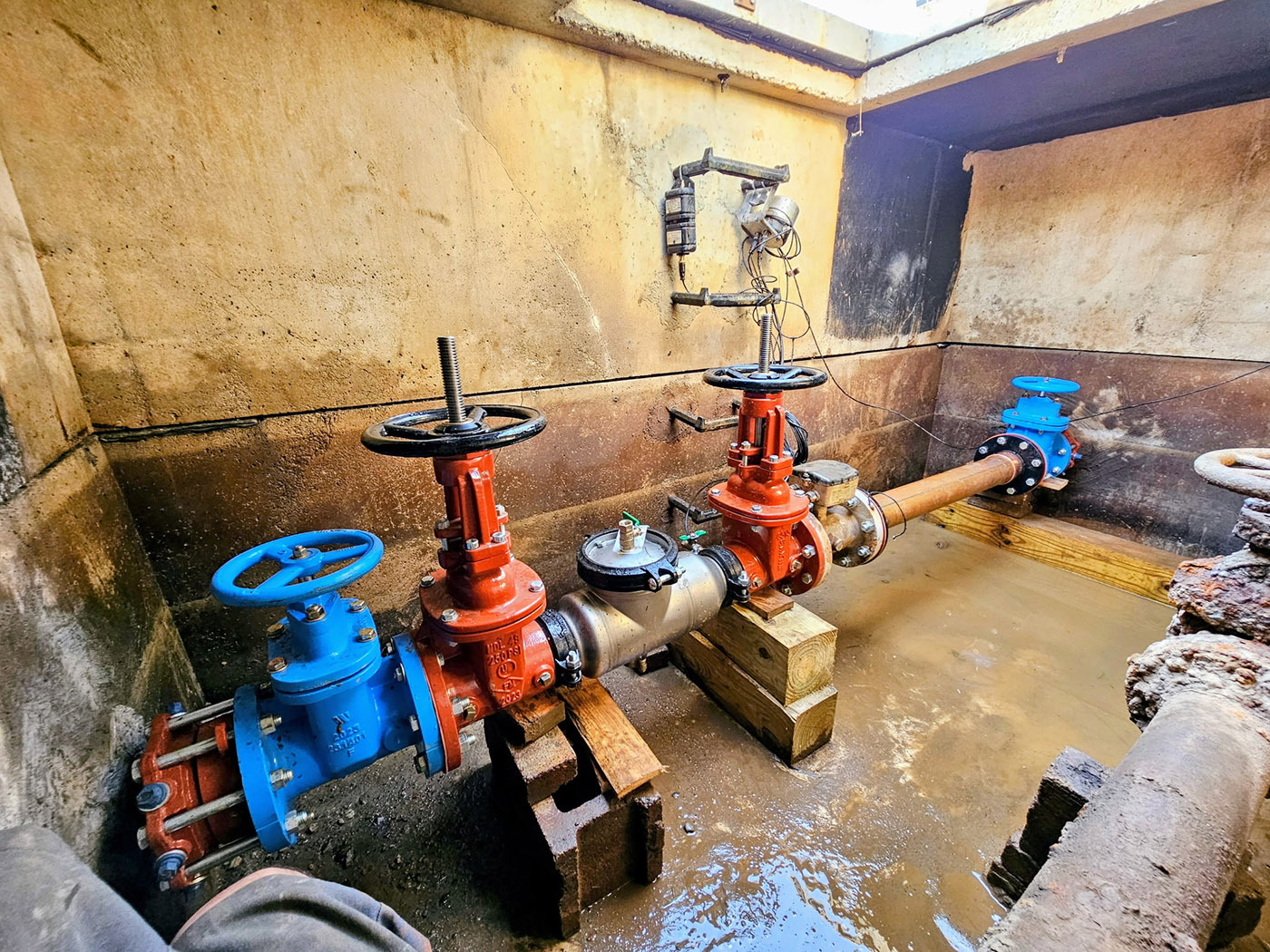
A backflow preventer is a specialized plumbing device designed to keep contaminated water from flowing backward into a clean water supply. In commercial buildings, irrigation systems, restaurants, medical facilities, and many industrial applications, water pressure can occasionally change unexpectedly. Without a properly functioning backflow prevention device, polluted water containing chemicals, fertilizers, bacteria, or waste materials could reverse direction and enter the public drinking water system. Backflow preventers are installed to create a safeguard between potable water and potentially contaminated sources, helping protect both individual properties and municipal water supplies.
Lifespan and Failures
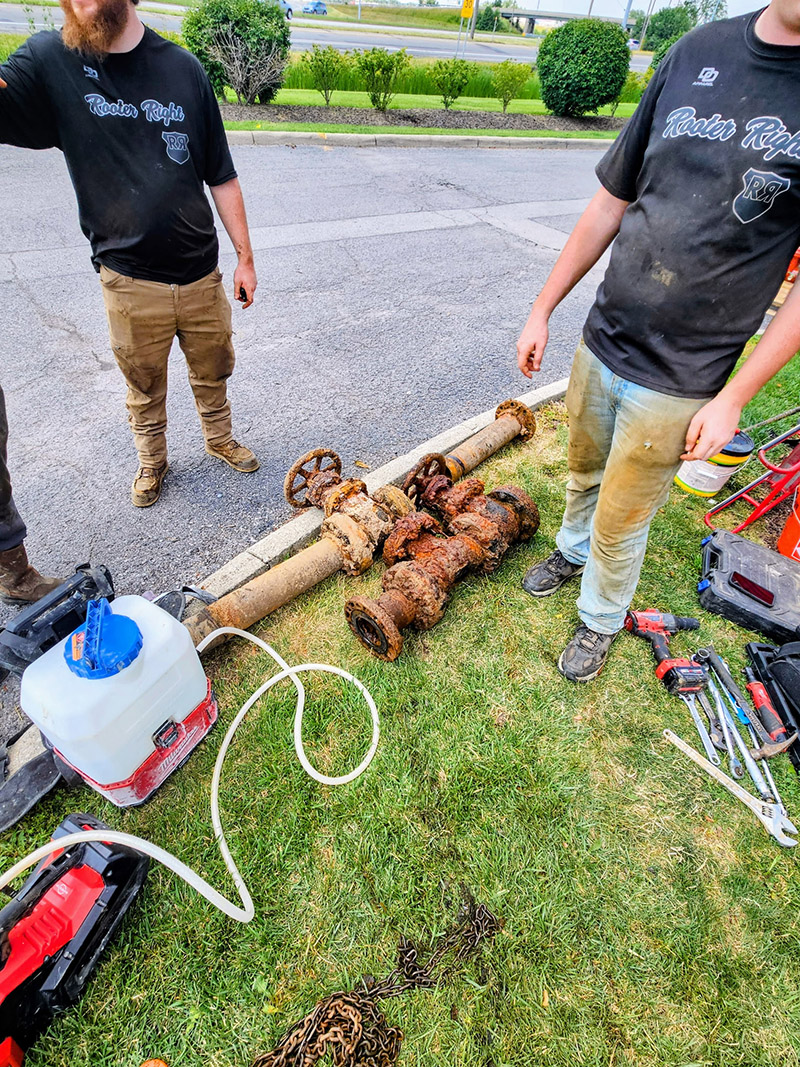
Like any mechanical plumbing component, backflow preventers experience wear over time. Internal parts such as rubber seals, springs, valves, and check assemblies can deteriorate due to age, mineral buildup, corrosion, freezing temperatures, pressure fluctuations, or heavy water usage. In many cases, a properly installed and maintained backflow preventer may last anywhere from 5 to 15 years, although lifespan depends heavily on water quality, usage demands, maintenance schedules, and environmental conditions. Regular inspection and certified backflow testing are important because some failures develop gradually and may not produce obvious warning signs at first.
Symptoms of a Failed Plumbing Backflow Preventer
When a backflow preventer begins to fail, property owners may notice leaking valves, inconsistent water pressure, discolored water, unusual tastes or odors, or dripping from relief ports. However, some failures are completely internal and can only be identified through professional testing. Because of this, many municipalities require annual backflow testing to ensure the device is still operating correctly and meeting local plumbing and safety regulations.
Serious Risks and Hazards
A failed backflow preventer can create serious health and safety risks. If contaminated water is allowed to flow backward into a clean water line, it can introduce hazardous chemicals, pesticides, bacteria, human waste, or industrial contaminants into drinking water systems. In commercial environments, this type of contamination can affect employees, customers, neighboring properties, and even sections of the municipal water supply. Beyond the health concerns, backflow issues can also lead to code violations, failed inspections, liability concerns, and expensive repairs if the problem is not addressed quickly.
Ready to Fix It Right?
It’s that time of year when everyone’s motivated for home and building maintenance. With that in mind, and with word having spread of our excellent work and customer service, we expect to have a busy season. Get yourself on your service calendar quickly.
Frequently Asked Questions
A backflow preventer is a plumbing safety device that stops contaminated water from flowing backward into a clean drinking water supply. It helps protect homes, businesses, and municipal water systems from harmful pollutants, chemicals, and bacteria.
Most municipalities require annual backflow testing by a certified professional. Regular testing helps ensure the device is functioning properly and identifies internal wear or failure before contamination problems occur.
Common signs include leaking water, reduced water pressure, discolored water, unusual tastes or odors, and water dripping from the relief valve. Some failures are internal and may only be detected through professional testing.
A properly maintained backflow preventer may last between 5 and 15 years depending on water quality, usage, climate conditions, and maintenance history. Regular inspections can help extend its lifespan.
Backflow prevention protects drinking water from contamination caused by chemicals, fertilizers, sewage, industrial fluids, and bacteria. A failed backflow device can create serious health risks and may lead to plumbing code violations or costly repairs.
 Save 10% (up to $75) when you